I always thought menopause would be easy to recognize. Your periods gradually stop, you experience a few hot flashes, and that’s it.
At least, that’s what I imagined.
But when my body started changing at 48, things weren’t quite that simple.
My periods had always been regular. Then suddenly, they weren’t. Instead of showing up every month, they started arriving every two or sometimes three months.
And when they did arrive, I never knew what to expect.
Some months, the bleeding was surprisingly heavy. Other times, there was hardly anything.
By the time I turned 50, my periods had gradually stopped altogether.
I thought that might be the end of the changes.
But apparently, my body had a few more surprises waiting for me.
After my periods stopped, I started experiencing something I’d rarely dealt with before: sweating.
I’ve never been someone who sweats easily, so noticing little beads of perspiration along the back of my neck and across my chest was a completely new experience.
Then came another thought.
Wait, do I smell sweaty now?
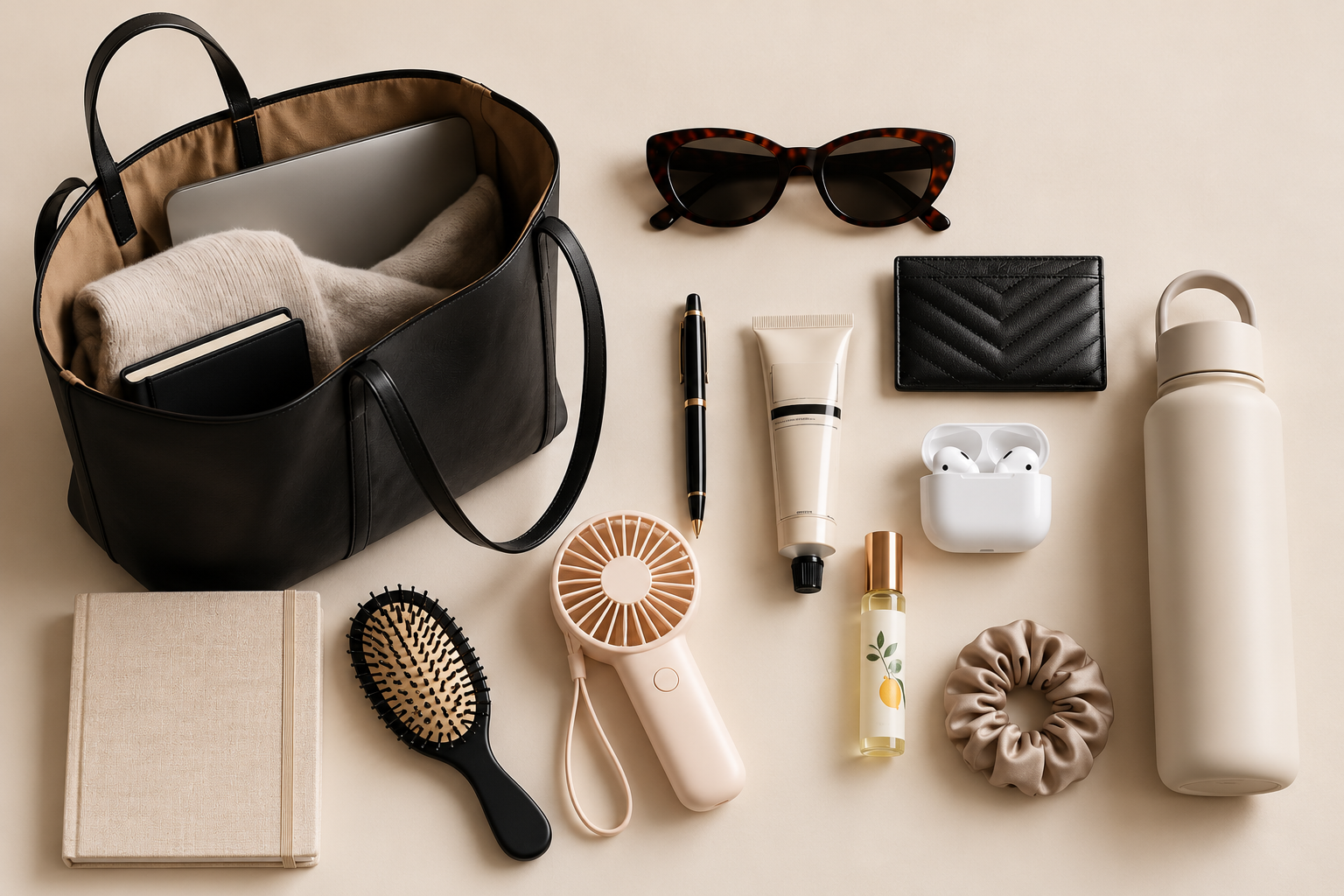
That’s how I ended up carrying two things I’d never needed before: a portable fan and a little citrus-scented essential oil roller.
Looking back, I realize how much I wish I’d understood about the difference between perimenopause and menopause before going through it myself.
Perimenopause vs. Menopause: What’s the Difference?
Before experiencing it myself, I didn’t fully understand that perimenopause and menopause are actually two different stages.
Perimenopause is the transitional period leading up to menopause.
During this time, estrogen and progesterone levels fluctuate, and menstrual cycles may become unpredictable.
For some women, periods become shorter or longer. Others notice heavier bleeding, lighter bleeding, or several months between periods.
Menopause, on the other hand, is reached after 12 consecutive months without a menstrual period, assuming there isn’t another medical reason for the absence of bleeding.
The average age of menopause in the United States is around 51, although every woman’s experience is different.
The years following menopause are called postmenopause.
According to the American College of Obstetricians and Gynecologists (ACOG), changes in menstrual timing and flow are common during perimenopause.
For me, the distinction makes much more sense when I look back at my own experience.
At 48, my menstrual cycle started changing.
Around 50, my periods stopped.
And after that, I began noticing hot flashes and sweating that I’d never experienced before.
It wasn’t one sudden event. It was a gradual transition.
My First Sign of Perimenopause Was an Unpredictable Period
Before turning 48, my monthly cycle was pretty predictable.
Then the timing started changing.
Sometimes two months would pass without a period. Occasionally, it would be three.
At first, the irregularity itself was the most noticeable change.
But the amount of bleeding was unpredictable, too.
One month, it could be unusually heavy. The next time, there might be very little.
I had always assumed periods would gradually become lighter before disappearing altogether.
That wasn’t how it happened for me.
What I later learned is that this kind of unpredictability can occur during perimenopause.
As hormone levels fluctuate, ovulation becomes less consistent. Some months, the ovaries release an egg. Other months, they don’t.
These changes can affect both the timing of periods and the amount of bleeding.
The Menopause Society explains that women in the later stages of perimenopause may experience gaps of 60 days or more between menstrual periods.
That sounds very familiar to me now.
Of course, not every menstrual change should automatically be attributed to menopause.
Unusually heavy bleeding, bleeding between periods, or bleeding that lasts longer than normal can sometimes be signs of other medical conditions.
It’s important to discuss significant changes with a healthcare professional rather than assuming they’re simply part of getting older.
Why Can Periods Become Heavier Before Menopause?
One of the more confusing parts of perimenopause is that your periods don’t necessarily follow a predictable pattern as they wind down.
You might expect them to become progressively lighter.
Instead, hormonal fluctuations can sometimes cause heavier bleeding followed by lighter periods or longer gaps between cycles.
During perimenopause, irregular ovulation can affect how the uterine lining develops and sheds.
This may contribute to changes in menstrual flow.
However, heavy bleeding can also be associated with conditions such as fibroids or uterine polyps.
ACOG recommends having abnormal bleeding evaluated, even during the menopausal transition.
Looking back, the changes in my menstrual cycle were part of what I experienced between 48 and 50.
But I now understand why it’s important to pay attention to those changes instead of dismissing them.
When My Periods Finally Stopped at 50
By the time I reached 50, my periods had gradually stopped.
There wasn’t a specific day when I could say, “Okay, I’ve officially reached menopause.”
That’s because menopause is confirmed only after 12 consecutive months without menstrual bleeding.
Until then, even a long gap between periods may still be part of perimenopause.
It’s also worth remembering that pregnancy can still be possible during perimenopause, even when menstrual cycles are irregular.
Once I understood how menopause is defined, my own timeline became clearer.
My irregular periods at 48 were part of the transition.
The final menstrual period came around 50.
But some of the changes I now associate most strongly with menopause didn’t become noticeable until afterward.
And that’s where the sweating comes in.
The Hot Flashes Came After My Periods Stopped
I’ve never been someone who sweats much.
Even when the weather was warm, perspiration wasn’t something I usually had to think about.
So when I began noticing tiny beads of sweat forming along the back of my neck and across my chest after 50, it felt strange.
It wasn’t necessarily dramatic.
It was just different.
Suddenly, something that had never been part of my daily routine became something I had to pay attention to.
And that’s how a portable fan became one of my everyday handbag essentials.
I never imagined I’d become someone who regularly carried a little fan.
But here we are.
Why Do Hot Flashes Happen?
Hot flashes are associated with changes in the body’s temperature-regulation system during and after menopause.
As estrogen levels change, the brain’s temperature-control mechanisms can become more sensitive to small fluctuations in body temperature.
This can cause a sudden sensation of warmth, particularly around the face, neck, and chest.
Some women experience flushing, sweating, chills, or a rapid heartbeat.
According to The Menopause Society, hot flashes commonly last between one and five minutes, although their frequency and intensity can vary considerably.
Some women experience hot flashes during perimenopause.
Others notice them after their periods have stopped.
In my case, sweating became noticeable after menopause.
It’s a good reminder that our bodies don’t all follow the same schedule.
The Unexpected Question: Do I Smell Sweaty?
Along with the sweating came another little concern I hadn’t expected.
I started wondering whether I smelled sweaty.
It wasn’t something I’d ever worried much about before.
But now that I was sweating more than usual, I became more conscious of the possibility.
Should I start carrying perfume?
I considered it.
But I wasn’t particularly interested in spraying perfume throughout the day.
Instead, I decided to try something a little different.
A small essential oil roller.
I chose a citrus scent.
At the time, I thought essential oils might be a gentler alternative to conventional perfume.
I liked the idea of carrying something small and convenient that I could apply whenever I wanted a little fragrance.
So I started keeping the roller in my bag and applying it throughout the day.
The fresh citrus scent became a small part of my routine.
Did it stop the sweating?
Of course not.
And I can’t say whether my body odor had actually changed as much as I worried it might have.
But it was something that made me feel a little more comfortable.
Sometimes, that’s enough.
Are Essential Oils Safer Than Perfume?
One thing I’ve learned since then is that natural doesn’t automatically mean safer.
Essential oils may come from plants, but they can still contain ingredients that irritate the skin or cause allergic reactions.
Some citrus essential oils can also increase the skin’s sensitivity to sunlight, depending on the ingredients and formulation.
The U.S. Food and Drug Administration (FDA) cautions that certain citrus oils may cause problems when applied to skin exposed to the sun.
For that reason, it’s important to check the ingredients and directions before using an essential oil roller, especially if you apply it frequently.
I still enjoy my citrus scent, but I no longer assume that something is necessarily healthier just because it’s natural.
And it’s important to remember that a fragrance roller doesn’t work as an antiperspirant or treat the underlying cause of menopausal hot flashes.
For me, it’s simply a personal preference.
What’s in My Bag After 50?
Somewhere along the way, the contents of my handbag changed.
Not dramatically, but enough that I noticed.
Two small items have become part of what I carry whenever I go out.
1. My Portable Fan
This one is probably the most practical addition.
When I begin feeling warm, having a small fan nearby makes it easier to cool down.
It’s lightweight, convenient, and doesn’t take up much space.
Of course, it doesn’t prevent hot flashes.
It simply helps me feel more comfortable when they happen.
2. My Citrus Essential Oil Roller
The second item is my little citrus-scented roller.
I started carrying it because I became more conscious of sweating and wondered whether I might have body odor.
I liked the fresh fragrance and the convenience of a small roll-on bottle.
Now it’s simply something I keep in my handbag.
Neither item is a menopause treatment.
They’re just small adjustments I’ve made to my everyday routine.
And honestly, I never expected that a portable fan and an essential oil roller would become two things I regularly reach for.
Sometimes midlife changes show up in the smallest details.
What Actually Helps With Menopause Hot Flashes?
Although portable fans and other cooling products can make you feel more comfortable, they don’t address the hormonal changes behind hot flashes.
If you’re experiencing similar symptoms, there are several practical approaches worth knowing about.
Dress in Comfortable Layers
Wearing clothing that can be easily removed or adjusted may help you feel more comfortable when your body temperature suddenly changes.
Lightweight, breathable fabrics can also be helpful.
Keep a Cool Drink Nearby
Some women find that drinking cold water helps them feel more comfortable during a hot flash.
It isn’t a treatment for the underlying hormonal changes, but it may provide temporary relief.
Pay Attention to Possible Triggers
Some women notice that alcohol, caffeine, spicy foods, or hot beverages seem to make their hot flashes more bothersome.
Not everyone has the same triggers, and avoiding particular foods or drinks hasn’t been consistently shown to treat hot flashes.
Still, paying attention to your individual symptoms may help you understand what affects your comfort.
Know When to Ask About Treatment
For women who experience frequent or disruptive hot flashes, medical treatments are available.
Menopausal hormone therapy is generally considered the most effective treatment for bothersome hot flashes.
Certain nonhormonal prescription medications may also help.
Because treatments have different benefits and risks, it’s important to discuss your symptoms and medical history with a qualified healthcare professional.
According to The Menopause Society, treatment should be individualized based on symptom severity, medical history, and personal preferences.
I think that’s an important message.
You don’t have to assume that uncomfortable menopause symptoms are something you simply have to endure.
Five Things I Wish I’d Known About Perimenopause and Menopause
Looking back at my experience, there are a few things I wish I’d understood earlier.
1. Perimenopause Can Begin While You’re Still Having Periods
You don’t have to stop menstruating to enter perimenopause.
Irregular periods may be one of the first noticeable signs.
For me, that happened around 48.
2. Periods Don’t Always Become Gradually Lighter
Some women experience heavier bleeding, lighter bleeding, or longer gaps between cycles.
My own menstrual flow varied considerably before my periods eventually stopped.
Significant bleeding changes should still be evaluated by a healthcare professional.
3. Menopause Isn’t Confirmed Immediately
A missed period doesn’t necessarily mean you’ve reached menopause.
Natural menopause is generally confirmed after 12 consecutive months without menstrual bleeding.
4. Hot Flashes Can Begin After Your Periods Stop
Not everyone experiences symptoms in the same order.
My sweating and hot flashes became noticeable after my final menstrual period.
Other women may experience them much earlier.
5. Small Everyday Adjustments Can Make a Difference
Not every change requires an elaborate solution.
Sometimes, something as simple as carrying a portable fan can make an uncomfortable moment easier.
That doesn’t replace medical treatment when it’s needed.
But practical comfort matters, too.
Frequently Asked Questions About Perimenopause and Menopause
Is it normal to have a period every two or three months at 48?
Longer gaps between menstrual periods can occur during perimenopause. However, any significant change in menstrual bleeding should be discussed with a healthcare professional to rule out other causes.
Can your periods become heavier before menopause?
Yes. Hormonal fluctuations and irregular ovulation during perimenopause can affect menstrual flow. However, unusually heavy or prolonged bleeding needs medical evaluation.
Is reaching menopause at 50 normal?
Yes. Natural menopause most commonly occurs between ages 45 and 55. The average age in the United States is approximately 51.
Can hot flashes start after menopause?
Yes. Hot flashes can begin before or after the final menstrual period. Their timing, frequency, and intensity vary from woman to woman.
Can menopause cause increased sweating?
Yes. Hot flashes can cause sudden warmth and sweating, particularly around the face, neck, and chest. However, new or unexplained sweating can also have other causes, so persistent or concerning symptoms should be discussed with a healthcare professional.
Can essential oils prevent menopause-related body odor?
No. Essential oil rollers provide fragrance but don’t prevent sweating or treat hot flashes. They may also cause skin irritation or allergic reactions, so it’s important to follow product instructions.
Looking Back at My Menopause Journey
When I think about my transition now, I don’t remember one dramatic moment when everything changed.
I remember smaller things.
My periods becoming unpredictable at 48.
The bleeding changing from one cycle to the next.
My periods gradually stopping around 50.
And then, after years of barely thinking about perspiration, suddenly noticing little beads of sweat along my neck and chest.
I certainly never imagined I’d become someone who regularly carried a portable fan and a citrus essential oil roller in my handbag.
But those little things have become part of my life.
What surprised me most wasn’t simply that my body changed.
It was how differently those changes happened from what I had expected.
Menopause wasn’t one sudden event for me.
It was a gradual transition, followed by a few unexpected adjustments.
And looking back, I wish I’d understood earlier that there isn’t one exact way this stage is supposed to unfold.
Every woman’s experience is different.
This was mine.
Have you experienced unexpected changes during perimenopause or menopause? I’d love to hear what surprised you most.
Medical Disclaimer
This article reflects my personal experience and provides general educational information. It is not intended to replace professional medical advice, diagnosis, or treatment.
If you experience unusual menstrual bleeding, disruptive hot flashes, or other concerning symptoms, please consult a qualified healthcare professional.
Medical References
The medical information in this article draws on the following educational resources:
- American College of Obstetricians and Gynecologists (ACOG): Perimenopausal Bleeding and Bleeding After Menopause
- ACOG: Abnormal Uterine Bleeding
- The Menopause Society: Perimenopause
- The Menopause Society: Symptoms
- The Menopause Society: Hot Flashes
- U.S. Food and Drug Administration (FDA): Aromatherapy and Essential Oil Safety