
I was wiping off my makeup one night when I caught my reflection under the bathroom light and just stopped. The brown patches on my cheeks looked darker than I remembered, and no amount of concealer had been hiding them for weeks. I’d been telling myself it was just uneven tanning. It wasn’t.
When Melasma Showed Up Uninvited
I never had skin discoloration issues in my thirties. Sun spots, sure, the odd freckle from summer, but nothing like this. Then perimenopause arrived and suddenly there were these symmetrical, stubborn patches across my cheeks and upper lip that got worse every time I spent an afternoon outside. I stood in the skincare aisle one Saturday holding three different “brightening” serums, completely unsure which one, if any, was worth the money.
It turns out the timing wasn’t a coincidence. Melasma tends to show up or intensify during hormonal shifts because estrogen and progesterone affect the pigment-producing cells in your skin. When those hormone levels start fluctuating instead of staying steady, those cells can go into overdrive. Add sun exposure on top of that, and the patches only get more stubborn.
What Dermatology Actually Recommends
Every dermatology site says roughly the same thing, and honestly, it’s not wrong. Sunscreen is non-negotiable, the broad-spectrum, reapply-it-daily kind, not the SPF 15 hiding in your foundation. Beyond that, the usual toolkit includes retinoids, vitamin C, azelaic acid, and in more stubborn cases, prescription options or in-office procedures like toning lasers.
I actually went that route first. I did several rounds of toning laser treatments at a dermatology clinic, the kind marketed specifically for melasma. Each session wasn’t cheap, and I kept going back hoping the next one would be the one that finally worked. It didn’t, not really. My skin looked a little brighter for a week or two after each session, then settled right back to where it started. After the fourth round I stopped and told myself I’d figure out something else.
What Actually Worked For Me
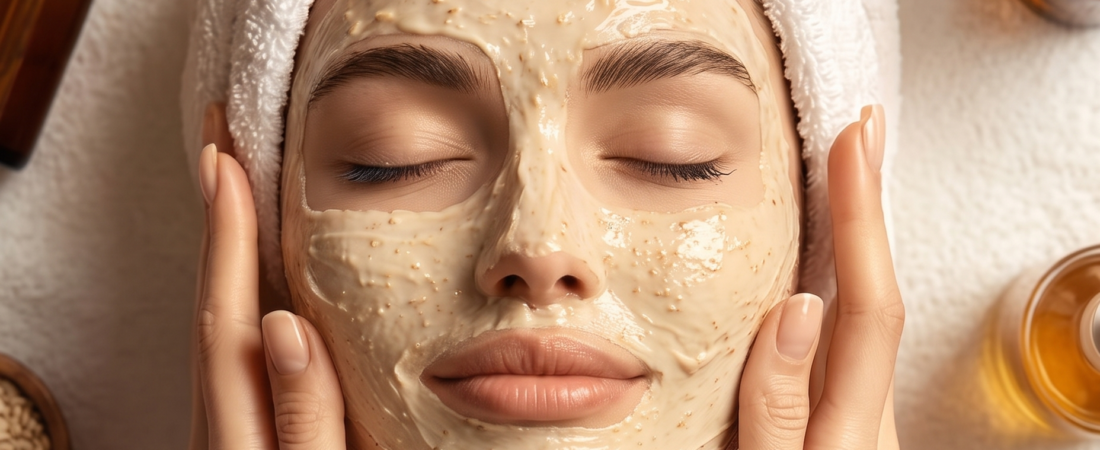
My mother used to make this mask when I was growing up in Seoul: coix seed powder, the stuff sold as “yulmu-garu” back home, mixed with honey and a splash of lemon juice. I hadn’t thought about it in years until I got desperate enough to dig through her old notes.
There’s no exact recipe I follow. I just spoon some coix powder into a small bowl, add honey, then squeeze in lemon juice a little at a time, stirring until it looks like bread dough that’s been left a touch too wet. Not runny, not stiff, just thick enough to sit on my skin without sliding off. I smooth it over clean, dry skin in the evening, leave it for about fifteen minutes, then rinse with lukewarm water. I do this two or three nights a week, never every day.
I didn’t notice anything for the first few weeks, which almost made me give up on it. But I kept going, mostly out of stubbornness, and somewhere around the two to three month mark, a couple of people around me, one of them my sister, mentioned out of nowhere that my complexion looked brighter, like I’d been getting more sleep. I hadn’t changed anything else in my routine. When I actually looked in the mirror instead of glancing past it, the patches were still there, but softer, less sharply defined against the rest of my skin tone.
I won’t pretend this erased my melasma. It didn’t, and it definitely didn’t do what four rounds of laser couldn’t. But it faded enough that I stopped reaching for heavy concealer every morning, and that alone felt like something.
A Few Things Worth Knowing Before You Try This
Lemon juice is acidic and can make your skin more sensitive to sunlight, which is the last thing you want when you’re already dealing with sun-triggered pigmentation. I only ever do this mask at night, and I’m strict about sunscreen the next morning, no exceptions. If you want to try it, patch test on your inner arm first and wait a day to see how your skin reacts before putting anything citrus-based on your face. If you feel burning, stinging, or notice redness that doesn’t fade quickly, stop and rinse it off right away.
This also isn’t a fast fix. I used it consistently for two to three months before I saw any real change, and it worked alongside sunscreen every single day, not instead of it.
A quick note: I’m not a doctor, and nothing here replaces a conversation with one. If your melasma is severe, spreading, or bothering you more than mildly, a dermatologist can offer options a kitchen remedy simply can’t.
Have you found something that actually made a difference for your skin during this stage of life, whether it came from a clinic or your grandmother’s kitchen? I’d genuinely like to know.